
 Dogs70 entries
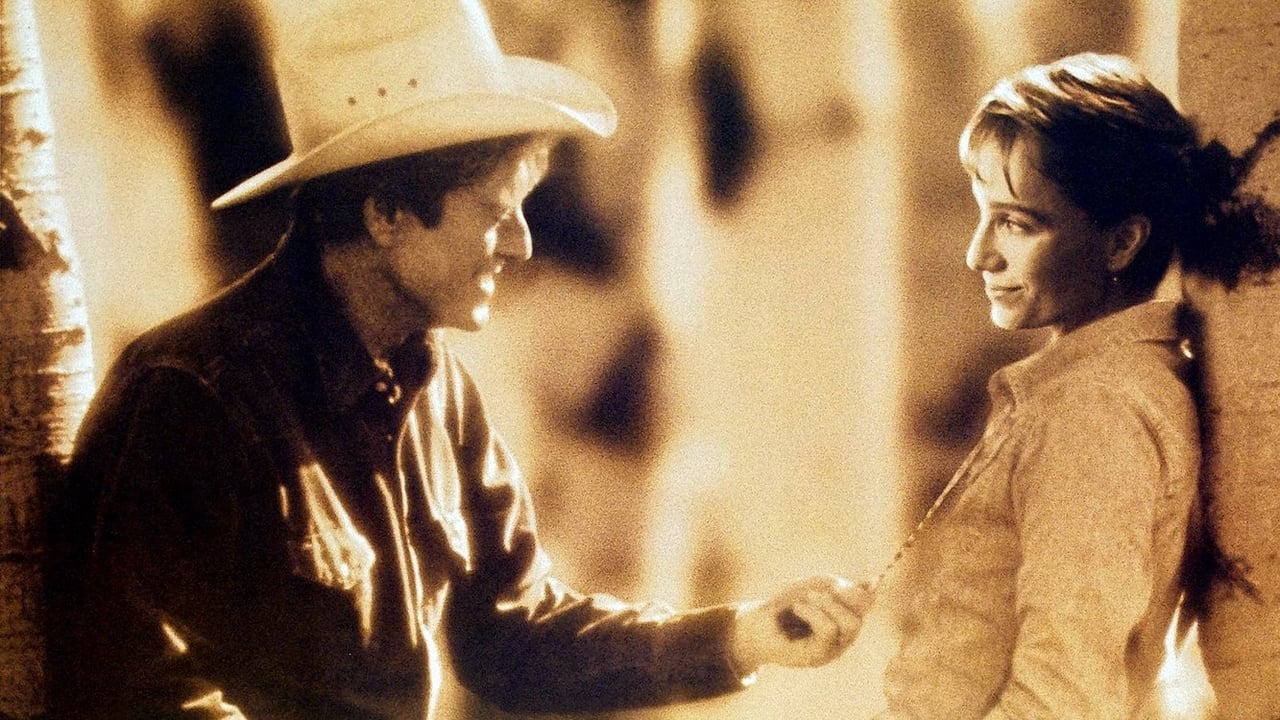 Horses28 entries
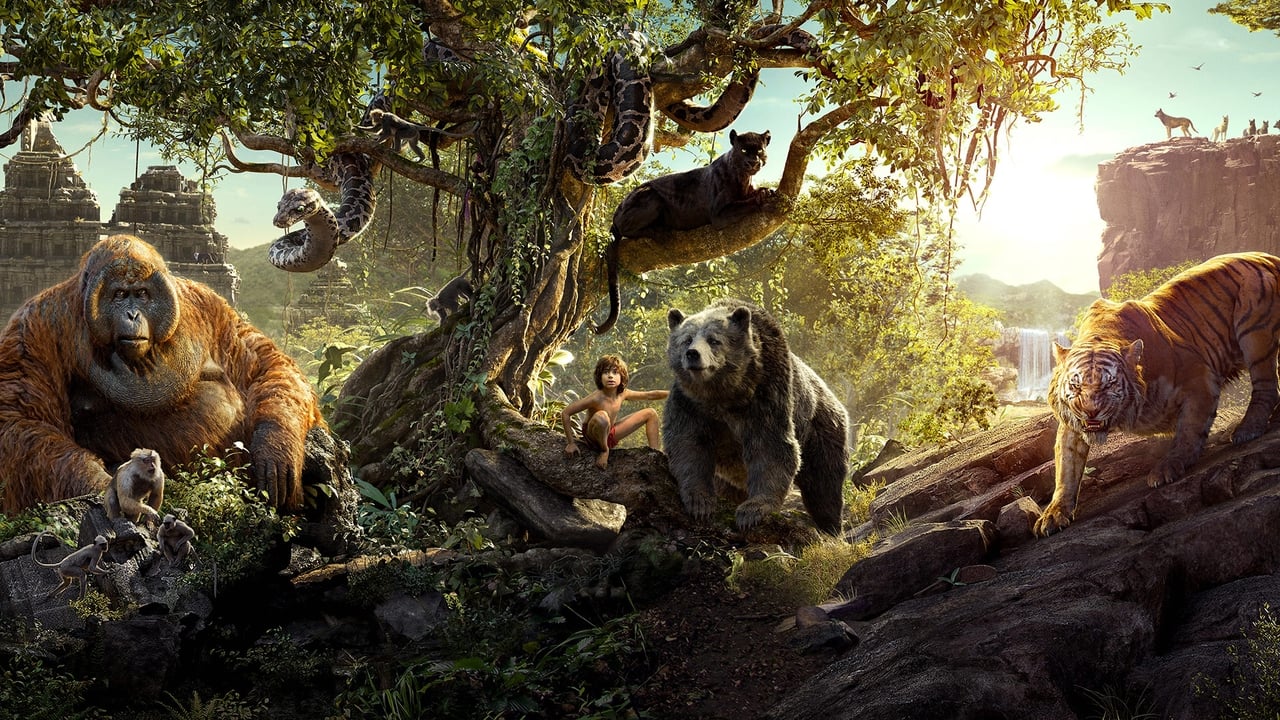 Wild animals46 entries
 Sea creatures13 entries
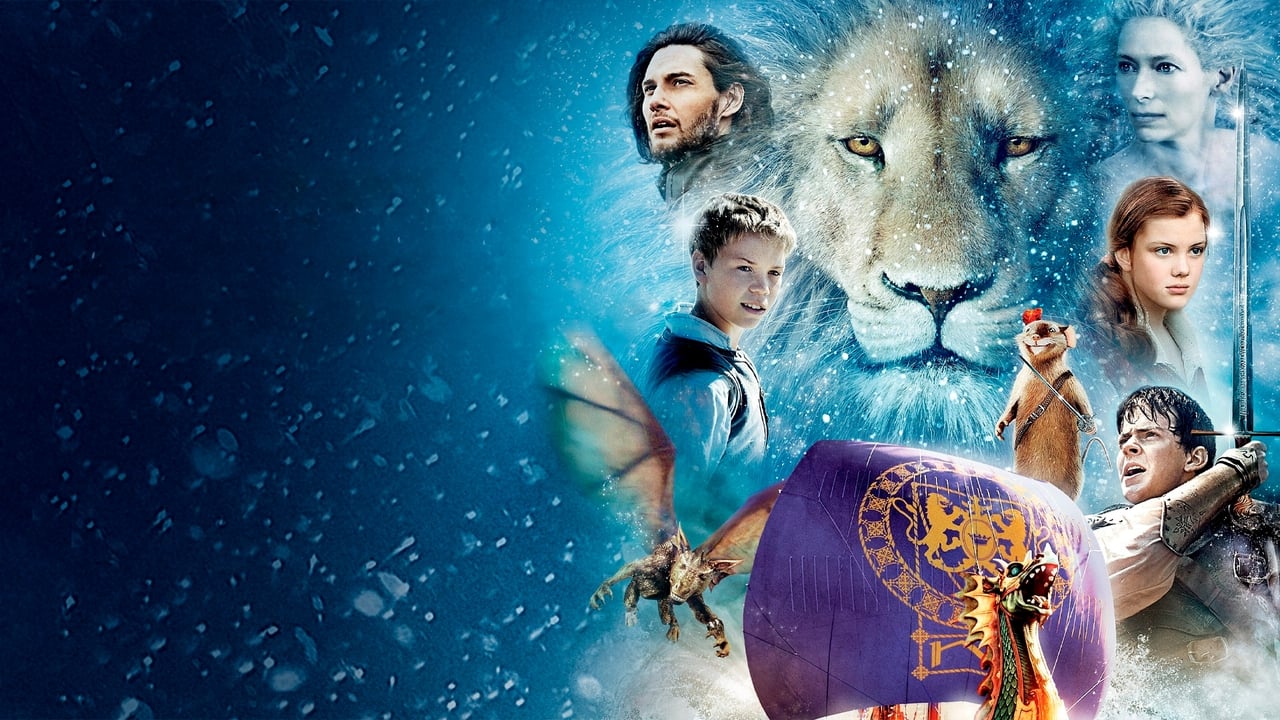 Cats great and small14 entries
 Talking animals17 entries
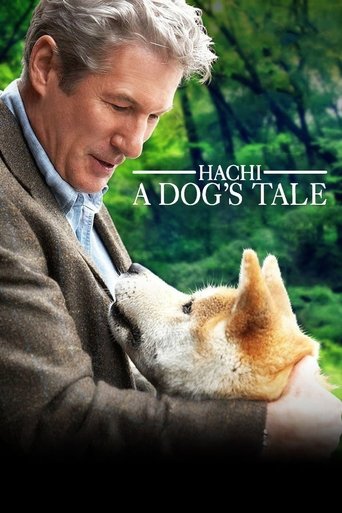 Hachi: A Dog's Tale2009 · 8.0
A field guide to animals on screen
FlaxMovies: animal movies and series, from Togo, Hachi: A Dog's Tale and Seabiscuit to Paddington, Marley & Me and All Creatures Great & Small, and where to watch them
164 movies and 14 series about dogs, horses, wild animals and sea creatures, each with its rating and a Watch now button.
 Plate 1: Togo, 2019
Species index
Dogs
All entries (70)Hachi: A Dog's Tale2009 · 8.0 Marley & Me2008 · 7.2
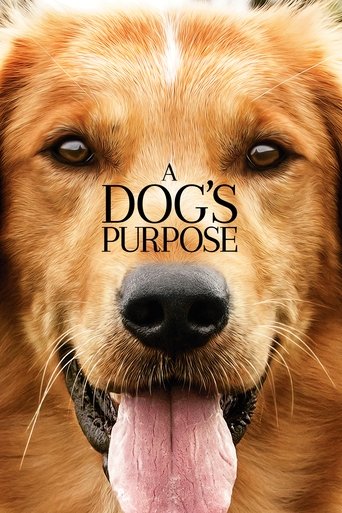 A Dog's Purpose2017 · 7.6
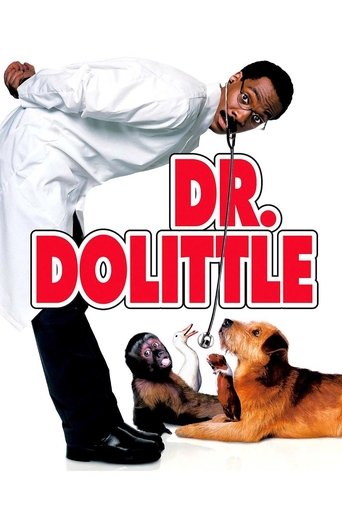 Doctor Dolittle1998 · 5.7
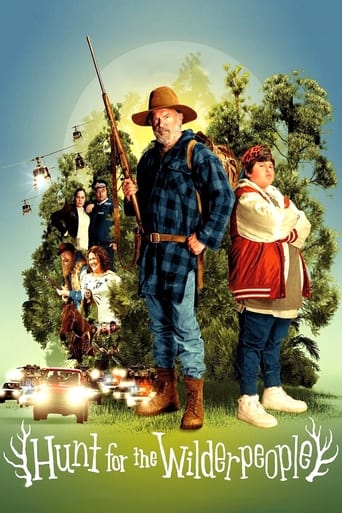 Hunt for the Wilderpeople2016 · 7.6
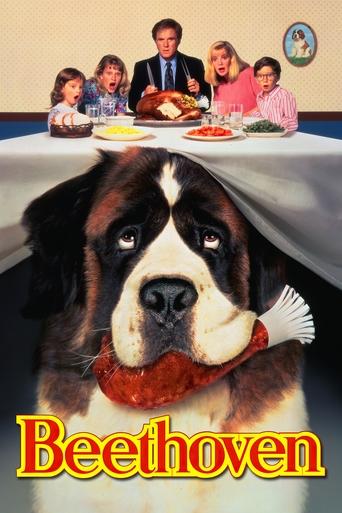 Beethoven1992 · 5.8
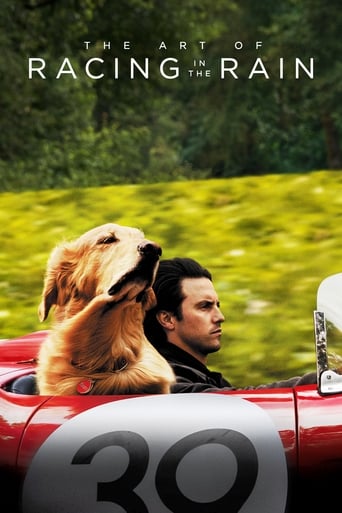 The Art of Racing in the Rain2019 · 8.1
 The Sandlot1993 · 7.6
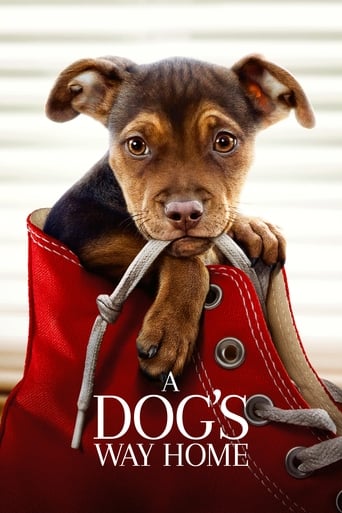 A Dog's Way Home2019 · 7.4
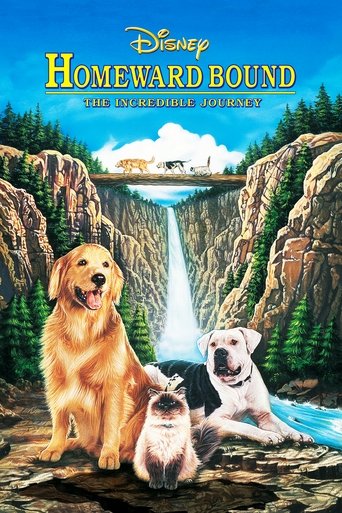 Homeward Bound: The Incredible Journey1993 · 7.0
 Beethoven's 2nd1993 · 5.6
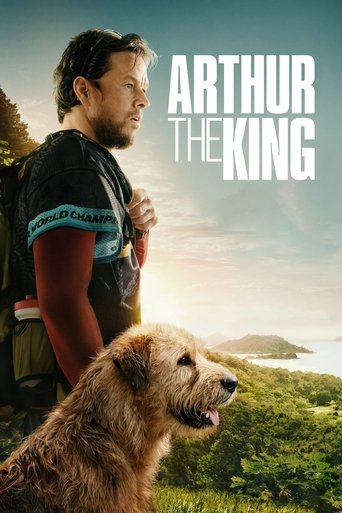 Arthur the King2024 · 7.5
Horses
All entries (28)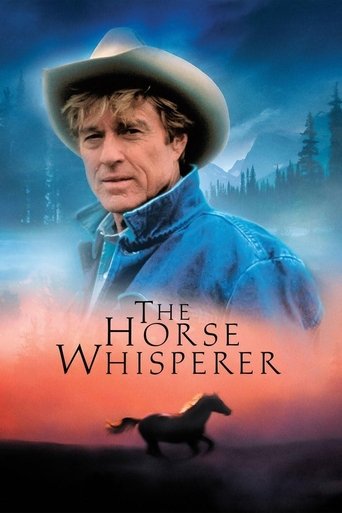


Wild animals
All entries (46)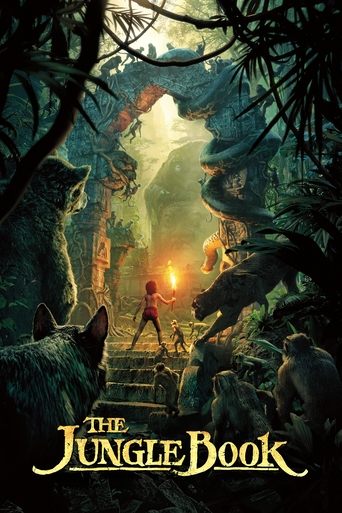
True stories
All entries (17)


Classics
All entries (33)

Series
All entries (14)


The FlaxMovies field guide
FlaxMovies: animal movies and series, from Togo, Hachi: A Dog's Tale and Seabiscuit to Paddington, Marley & Me and All Creatures Great & Small
Put an animal on screen and the audience leans forward. A dog waiting at a railway station, a horse breaking from the starting gate, a small bear raising his hat on a London platform: such moments need very little explanation, and film-makers have relied on them since the cinema began. FlaxMovies is a field guide to those stories. It lists 164 movies and 14 television series made between 1936 and 2025, the work of 148 directors and about 267 hours of film, together with 974 episodes of television, and it sorts them, as a field guide should, by species.
Dogs are the largest family, with seventy entries. Wild animals, from bears and wolves to elephants and apes, have forty-six, horses twenty-eight, cats great and small fourteen, and the creatures of the sea thirteen. Seventeen titles feature animals who talk, seventeen are true stories, thirty-three began as books and twelve are set at Christmas. The mood is overwhelmingly that of the family film, since 121 of the movies carry the Family label, and every title was selected by hand for a household audience. Each has a page with its summary, its cast, its rating and a Watch now button that leads to the official services carrying it.
This guide follows the species index on the home page, then turns to true stories, classics, books and television, and ends with questions and answers. For the practical steps alone, see the short page on how to watch with FlaxMovies.
How FlaxMovies works
The home page opens with a heading beside a photograph, slightly tilted as if pinned to a board, from the featured film; its caption reads like a plate in a naturalist's book. Underneath lies the species index, six cards each with a small picture, a name and a count of entries: Dogs, Horses, Wild animals, Sea creatures, Cats great and small, and Talking animals. Pressing a card opens the full list.
Rows of posters follow for dogs, horses, wild animals, true stories, classics and the series. Under every poster stand the title, the year and the rating. A title page gives the summary, the running time, the cast with the parts they play, the director and the studio, and for a series every season and episode with its date.
The Watch now button sits beside a country selector. Choose a country, press the button, and JustWatch opens with the subscription, rental, purchase and free services that carry the title there. The search field understands the names of animals as well as titles and performers, so that typing the word dolphin or pony brings up the relevant entries. The page on finding titles lists every route, and My List explains the field notebook.
Dogs: the faithful
Seventy titles are about dogs, and the oldest story they tell is the story of loyalty. Hachi: A Dog's Tale, rated 8.0, is its purest form. A music professor, played by Richard Gere, finds an Akita puppy on a station platform and takes him home; the dog walks him to the train each morning and is waiting when he returns each evening, and goes on waiting, in the same spot, for years after the professor is gone. The film is based on a real dog in Tokyo whose statue stands outside the station he made famous, and very few viewers reach the end with dry eyes.
Lassie Come Home, from 1943, set the pattern eighty years ago: a collie sold by a poor Yorkshire family to a duke escapes from his estate in Scotland and walks hundreds of miles to be at the school gate at four o'clock. The 2005 film Lassie tells the same tale handsomely for a new audience. Homeward Bound: The Incredible Journey gives the long walk to a wise old golden retriever, a brash young bulldog and a Himalayan cat, with their thoughts spoken aloud, and it is a remake of The Incredible Journey of 1963, in which the three animals cross the Canadian wilderness in silence.
The modern versions add a philosophical turn. A Dog's Purpose, rated 7.6, follows one dog's spirit through several lives and several owners as he tries to work out why he is here. A Dog's Way Home sends a young dog four hundred miles across the mountains of Colorado, and The Art of Racing in the Rain, rated 8.1, is narrated by Enzo, a golden retriever who has studied his owner, a racing driver, and human beings in general, and has reached some conclusions.
Dogs: heroes and troublemakers
Some dogs are heroes in the plain sense. Togo, rated 8.1, is the best film on the subject. In the winter of 1925 a relay of sled teams carried medicine across Alaska to a town cut off by ice, and the longest and most dangerous stretch, across the breaking surface of a frozen sound, was run by a twelve-year-old husky whom his owner had once tried to give away. Willem Dafoe plays the musher, and the film gives the dog his due at last. The Great Alaskan Race tells the same events from another sled.
Arthur the King, rated 7.5, is the true story of a stray who attached himself to a team of endurance racers deep in the jungle and refused to be left behind. Rescued by Ruby, also 7.5, follows a restless shelter dog who had been returned by one family after another and a state trooper who believed she could be trained for search and rescue. Dog Gone recounts a father and son's search for a lost dog along the Appalachian Trail, and Firehouse Dog and Hero Dog: The Journey Home are adventures in the same spirit.
Then there are the troublemakers. Marley & Me is the memoir of a young couple and a Labrador who fails obedience school, eats a necklace and is loved wholeheartedly for thirteen years. Beethoven, from 1992, lets a St Bernard loose in a house-proud family, and three of its sequels are listed. Marmaduke gives a Great Dane the run of California, and Snow Dogs hands a Miami dentist a team of sled dogs and a great deal of snow.
Dogs with talents form a small genre of their own. Air Bud, from 1997, introduced a golden retriever who can sink a basketball, and by its sequels he had taken up American football and soccer. Best in Show watches the owners rather than the animals at a grand dog show, and is one of the funniest films in the catalogue. For a quieter evening there is My Dog Skip, a memory of a Mississippi boyhood in the 1940s, and Because of Winn-Dixie, in which a stray found in a supermarket helps a lonely girl make friends with a whole town. The dogs page sorts the family.
Horses
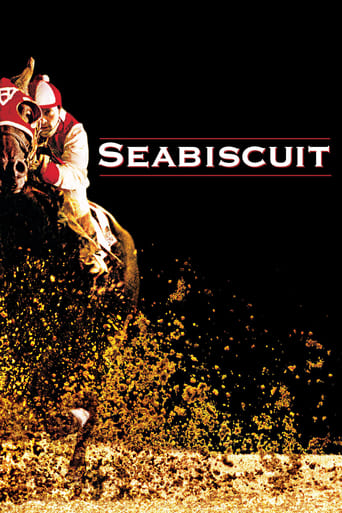
Twenty-eight titles belong to the horse, and the racetrack provides the grandest of them. Seabiscuit, from 2003, tells the true story of an undersized, knobbly-kneed racehorse who became the most popular figure in America during the Depression, and of the three men who believed in him: an owner who had lost a son, a trainer from the vanishing frontier and a jockey blind in one eye. Dreamer: Inspired By a True Story is smaller and just as warm, about a trainer and his young daughter, played by Kurt Russell and Dakota Fanning, who nurse a filly back from a broken leg.
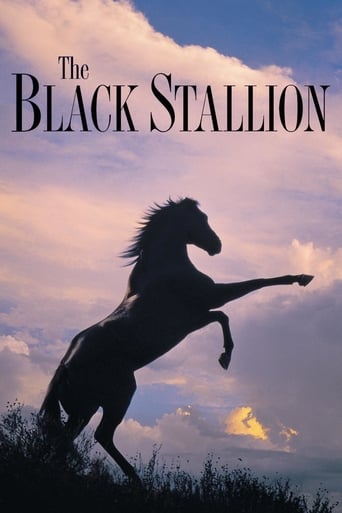
The wild horse is the other great subject. The Black Stallion, from 1979 and rated 7.1, opens with a shipwreck that leaves a boy and an Arabian stallion alone on a desert island, and for most of an hour the film simply watches them learn to trust each other; it is one of the most beautiful films ever made for children. The Black Stallion Returns carries the pair to the Sahara. Flicka and Flicka 2 are about girls and mustangs on Wyoming ranches, The Silver Brumby about a legendary wild stallion of the Australian high country, and The Man From Snowy River II returns to the same mountains.
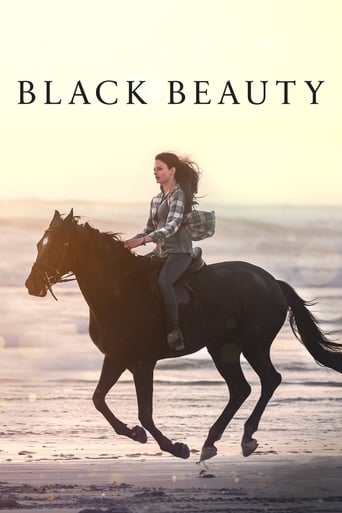
English literature gave the horse two classics. Black Beauty is told in the horse's own voice, and the 2020 version listed here, rated 8.0 by its admirers, moves the story to the American West. National Velvet, from 1945, stars a young Elizabeth Taylor as a girl who wins a horse in a village raffle and rides him in the Grand National; International Velvet, rated 7.4, continues the family story a generation later at the Olympic Games. Racing Stripes gives the tradition a comic twist, with a zebra raised on a Kentucky farm who is convinced he is a racehorse.
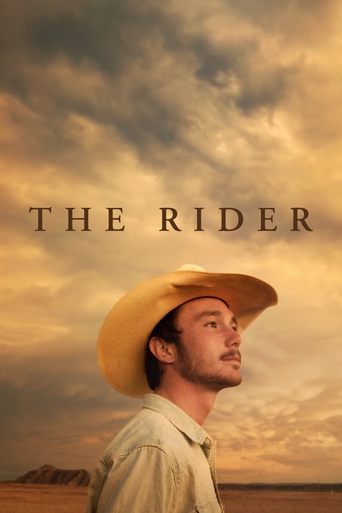
The Horse Whisperer, directed by Robert Redford and at 169 minutes the longest film on FlaxMovies, follows a mother who drives her injured daughter and a traumatised horse to a Montana ranch, and The Rider is a quiet modern western about a young rodeo rider and the horses he trains. The horses page lists the stable.
Wild animals
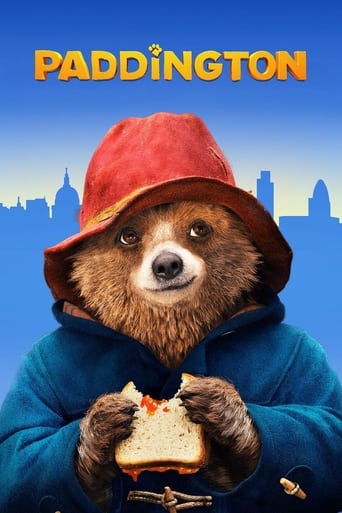
Forty-six titles concern animals that belong to forest, jungle, mountain or zoo. Bears come first, and one bear in particular. Paddington, from 2014, brings a young bear from darkest Peru to a London railway station, where the Brown family find him sitting on his suitcase, and it is among the best-loved family films of the century. Paddington in Peru takes him home on a visit. Real bears appear in Alaska, in which two children search the wilderness for their father with the help of a polar bear cub, in The Great Outdoors and in the television series Gentle Ben.
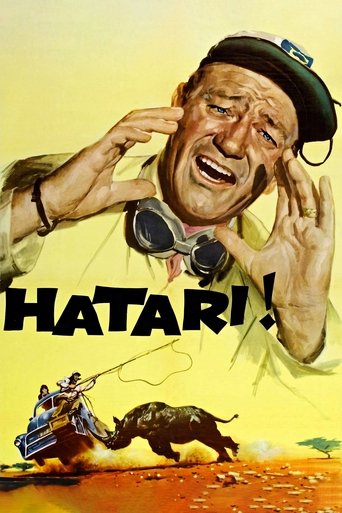
Africa has inspired film-makers for ninety years. Tarzan Escapes, from 1936, is the oldest title in the catalogue. Hatari!, from 1962, follows a team who catch animals for zoos on the plains of Tanganyika, and its scenes of trucks racing beside giraffe and rhinoceros were filmed for real. Born Free, from 1966, is the true story of Elsa, an orphaned lioness raised by a game warden and his wife and then, with great difficulty, taught to live wild; its theme song is known around the world. Holiday in the Wild sends a New Yorker to an elephant sanctuary in Zambia, and Cheetah is a Kenyan adventure for children.
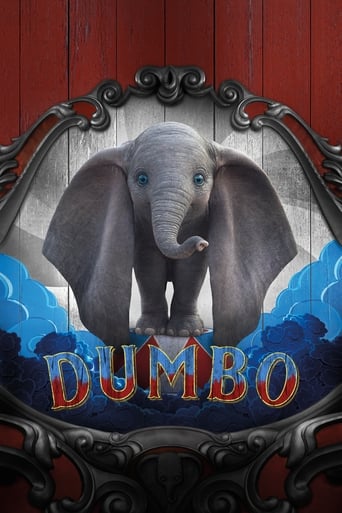
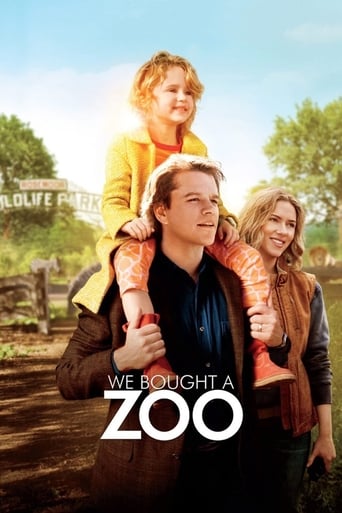
The zoo and the circus bring wild animals closer. We Bought a Zoo is the true story of a widowed father who buys a run-down country house with a zoo in the grounds and has to reopen it by summer. Water for Elephants is set in a travelling circus of 1931, where a veterinary student falls in love with the star rider and with Rosie, an elephant cleverer than her trainers. The One and Only Ivan gives a voice to a real gorilla who lived for years in a shopping mall, and Dumbo and The Jungle Book are new versions of two famous animal tales. Mighty Joe Young, from 1949, is the gentle cousin of a more famous giant ape.
Apes and monkeys bring comedy. A chimpanzee mixes the elixir in Monkey Business, picks television hits in The Barefoot Executive, and plays ice hockey in MVP 2: Most Vertical Primate. The Yearling, from 1946, is the most serious film in this group: a boy in the Florida backwoods adopts an orphaned fawn, and learns what a farm family can afford. The wild animals page arranges the list by habitat.
Sea creatures
Thirteen titles come from the water. Dolphin Tale, from 2011, is the true story of Winter, a young dolphin who lost her tail in a crab trap and learned to swim again with an artificial one, and the film was shot at the Florida aquarium where she lived, with Winter playing herself. Dolphin Tale 2 continues her story. Flipper, from 1996, revives the friendly dolphin of the 1960s, and Bernie the Dolphin and Zeus & Roxanne, in which a dog befriends a dolphin, are for younger viewers.
Big Miracle recounts a remarkable week in 1988, when three grey whales were trapped by ice off the northern coast of Alaska and oil workers, hunters, journalists and two rival governments joined forces to free them. Andre is the true story of a seal who swam back each spring to the harbour master's family in Maine who had raised him.
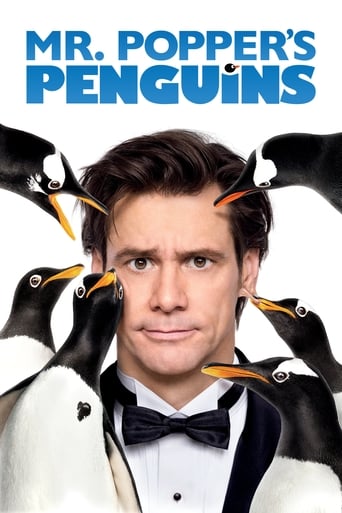
Penguins have three films. Mr. Popper's Penguins fills a Manhattan flat with six of them. My Penguin Friend, rated 7.3, is drawn from the true story of a Brazilian fisherman who cleaned the oil from a stranded penguin and found that the bird returned to visit him every year, swimming thousands of miles to do so. Penguin Bloom is about a family and an injured magpie they name Penguin, and Storm Boy about an Australian boy and his pelicans. The sea creatures page has the list.
Cats great and small
Fourteen titles feature cats, from the hearth to the savannah. Domestic cats are scarcer on screen than dogs, being harder to direct, and their best parts are as travelling companions: Sassy in Homeward Bound: The Incredible Journey and its sequel, and the Siamese of the 1963 original. Garfield: A Tail of Two Kitties sends the lasagne-loving cat to England, where he is mistaken for the heir to a castle.
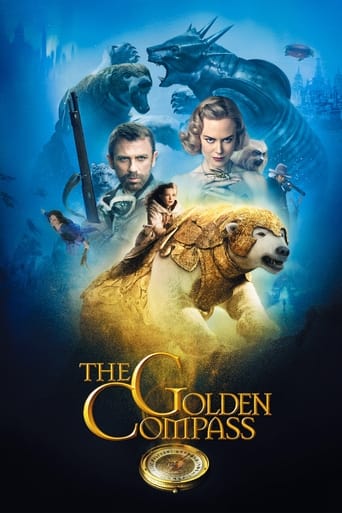
The great cats do better. Besides Elsa of Born Free, there is the retired circus lion of Secondhand Lions, bought by two eccentric old men who want something to hunt and end up with a pet; the tiger caged in the woods of The Tiger Rising; and the orphaned cub of Cheetah. The panther and the tiger of The Jungle Book and the lion of Narnia, in The Chronicles of Narnia: The Voyage of the Dawn Treader, belong to the world of fable. See the cats great and small page.
Talking animals
In seventeen titles the animals speak, and the convention has produced some of the most charming films in the catalogue. Charlotte's Web, from 2006, films E. B. White's story of a runt pig and the barn spider who saves his life by writing words in her web. Stuart Little 2, at 78 minutes one of the two shortest films here, sends a mouse in a red roadster to rescue a friend, and Lyle, Lyle, Crocodile has a crocodile who sings.
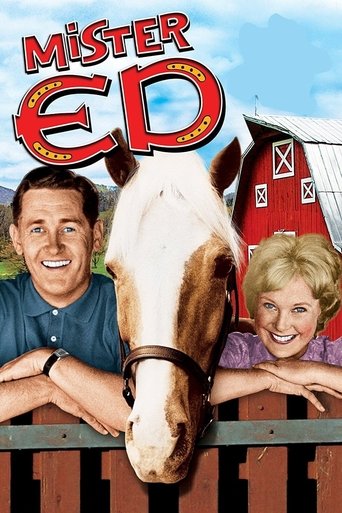
The Dolittle films, in which a doctor can understand every creature he meets, are represented by five titles, from Doctor Dolittle with Eddie Murphy in 1998 to Dolittle with Robert Downey Jr. in 2020. On television, Dog with a Blog gives a family pet a laptop and seventy episodes, 100 Deeds for Eddie McDowd turns a school bully into a dog until he has done a hundred good turns, and Mister Ed, from 1961, is the original talking horse. The talking animals page lists them.
True stories
Seventeen titles are true, and they are often the most affecting. Besides those already described, Temple Grandin, rated 7.9, deserves special mention. It tells the life of a scientist with autism who found that she understood how cattle see and feel, redesigned the handling of livestock across America on the strength of it, and became a celebrated teacher and writer. Claire Danes plays her, and the film lets the audience see the world in pictures as she does.
H Is for Hawk, from 2025, follows a woman who trains a goshawk in the year after her father's death. Wild America is about three brothers who set out in the 1960s to film the country's animals and became well-known wildlife film-makers. The two series called after James Herriot's first book are drawn from the memoirs of a real Yorkshire vet. The true stories page gathers all seventeen.
The classics
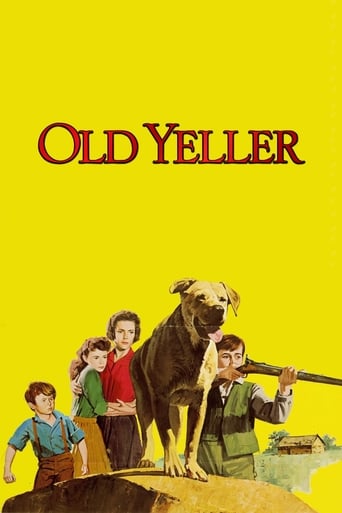
Thirty-three titles were made before 1990, and they show how early the animal film found its form. The 1940s produced three that have been in print ever since: Lassie Come Home, National Velvet and The Yearling. In 1957 came Old Yeller, the story of a Texas farm boy and the stray yellow dog who protects his family, which has taught several generations of children that a story may be sad and still be worth hearing.
The 1960s were the decade of the nature adventure, on film in Born Free, The Incredible Journey and Those Calloways, about a Vermont family who dream of a sanctuary for wild geese, and on television in Daktari, Gentle Ben and Skippy the Bush Kangaroo. The 1970s added Where the Red Fern Grows, about an Ozark boy and his two hunting hounds, and The Adventures of the Wilderness Family, and closed with The Black Stallion. The classics page sets them out by decade.
From the bookshelf
Thirty-three titles began as books, and the animal story is one of the oldest forms in children's literature. Anna Sewell's Black Beauty, Rudyard Kipling's Jungle Book, Eric Knight's Lassie, Marjorie Kinnan Rawlings's Yearling, Michael Bond's Paddington and Sheila Burnford's Incredible Journey are all here in screen form. So are more recent favourites: Because of Winn-Dixie, Hunt for the Wilderpeople, in which a city boy, his foster uncle and a dog go on the run through the New Zealand bush, and Roald Dahl's Esio Trot, a late-life romance conducted by means of tortoises, with Dustin Hoffman and Judi Dench.
Memoirs supply the true stories: a newspaper columnist's account of his dog became Marley & Me, and a journalist's account of his zoo became We Bought a Zoo. The from books page makes a reading list as well as a viewing list.
The series
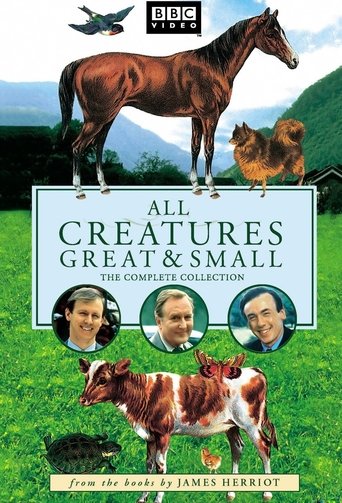
Fourteen series with 974 episodes complete the guide. Two share a title and a source. All Creatures Great and Small, which began in 1978, follows a young vet who joins a country practice in the Yorkshire Dales in the 1930s, and ran for 87 episodes. All Creatures Great & Small, begun in 2020 and rated 8.2, tells the same stories afresh: calvings in the small hours, a pampered Pekingese, a dour farmer won over. Both are as much about people as animals, and both are a tonic.
Horses lead three series: Wildfire, about a girl given a second chance at a racing stable, The Saddle Club, set at an Australian riding school, and Fury, a 1950s adventure about a boy and a black stallion. The older nature series, Daktari, Gentle Ben, Grizzly Adams and Skippy the Bush Kangaroo, come from the days when a weekly animal adventure was a fixture of the schedule. seaQuest DSV is the odd one out, a submarine drama of the 1990s whose crew includes a dolphin who speaks through a translator. The series page lists them all.
Animals at Christmas
Twelve titles are set in December, and a puppy under the tree is their favourite image. A Dog Named Christmas, rated 7.0, is the most thoughtful: a young man with a learning disability persuades his reluctant father to foster a shelter dog over the holidays, and the idea spreads through the town. The 12 Dogs of Christmas, A Puppy for Christmas, A Very Corgi Christmas and A Dogwalker's Christmas Tale are lighter gifts, and Santa Paws 2: The Santa Pups sends four festive puppies out from the North Pole.
A Boy Called Christmas, rated 7.3, has the grandest scale: a boy sets out across the snow of the far north with a loyal mouse and a reindeer named Blitzen to find a village of elves. Holiday in the Wild swaps snow for the African bush, and A Heartland Christmas gathers a ranching family and their horses in a mountain blizzard. The Christmas page lists all twelve.
Children and their animals
Most animal films are, underneath, films about growing up, and the pattern is remarkably constant. A child who is lonely, grieving or newly arrived somewhere finds an animal who is in trouble too; in looking after the animal, the child finds courage and friends. The girl of Because of Winn-Dixie is new in town, the boy of My Dog Skip is small and shy, the boy of Dolphin Tale has stopped speaking in class, and the boy of Storm Boy lives alone with his father on a windswept beach.
The same story is told with horses in Flicka, Dreamer: Inspired By a True Story and The Greening of Whitney Brown, in which a city girl exiled to the country is befriended by a horse with a mind of his own; with a fawn in The Yearling; with a seal in Andre and a panda cub in The Amazing Panda Adventure. In Alaska and Gold Diggers: The Secret of Bear Mountain the animals share a wilderness adventure, and in Red Dog: True Blue a boy sent to a cattle station in the Australian outback finds a puppy after a storm.
The best of these films are honest about endings. An animal's life is shorter than a child's, and several of the stories here, Old Yeller, Marley & Me and Where the Red Fern Grows above all, are about learning to say goodbye. Parents may wish to read the summary on the title page before choosing for younger children; the reward, for those who are ready, is a film that stays with them for life.
Animals at work
A good number of the animals in the catalogue have jobs. Sled dogs haul medicine in Togo and race in Snow Dogs; search dogs find the lost in Rescued by Ruby; a fire-station mascot proves his worth in Firehouse Dog. The collies of the Herriot series bring in the sheep, the cattle dogs of Red Dog: True Blue work a station the size of a small country, and Adventures of Dally and Spanky pairs a miniature horse with a terrier who rides on his back in a travelling show.
Horses work harder than any. The racehorses of Seabiscuit and Wildfire, the cow ponies of The Rounders and Murphy's Romance, the rodeo horses of The Rider and the circus ring-stock of Water for Elephants all earn their keep, and the films respect the skill of the people who train them. Temple Grandin is, among other things, the story of someone who changed how working animals are treated. Even the comedies nod to the theme: the St Bernard is, after all, a rescue breed, however little rescuing Beethoven manages.
How animal films are made
Viewers often wonder how it is done, and the answer has changed over ninety years. In the classic era everything depended on trainers. A handful of families supplied Hollywood with its animal stars, and a single role was commonly shared by several look-alikes, each with a speciality: one dog for running, one for close-ups, one for jumping through windows. The collie in Lassie Come Home began a line that held the part for generations, and the horse of The Black Stallion was a champion Arabian whose performance took months of patient filming on a Sardinian beach.
From the 1990s, puppetry and computer animation joined the trainers. The mouths of the animals in Homeward Bound: The Incredible Journey stay shut, with the voices laid over; in Doctor Dolittle and Charlotte's Web the lips move, by digital means. Paddington is an entirely animated bear acting opposite real people, and The Jungle Book of 2016 placed one real boy among animals who exist only in the computer. Dumbo and The One and Only Ivan work the same way.
Real animals have kept their place all the same. The dogs of Togo and A Dog's Way Home, the horses of Dreamer: Inspired By a True Story and the dolphin of Dolphin Tale are flesh and blood, and audiences can usually tell. A film made with living animals has a quality of surprise, a tilt of the head or a glance to the side, that is very hard to draw.
Ninety years in three shelves
The catalogue spans almost ninety years. Thirty-three titles date from before 1990, the age of the trainer and the location shoot. Sixty-four movies come from 1990 to 2009, when the family comedy with an animal star was a staple of the cinema: the Beethoven and Air Bud films, Doctor Dolittle, Snow Dogs, Racing Stripes, Good Boy!, in which a boy discovers that dogs came to earth from a distant star, and Marley & Me at the end of the period.
Seventy-four movies date from 2010 onward. The true story came to the fore in these years, with Dolphin Tale, Big Miracle, Togo, Arthur the King and My Penguin Friend, and streaming services commissioned a steady supply of warm-hearted animal films for the family audience, among them Rescued by Ruby, Dog Gone and Black Beauty. The newest entry is H Is for Hawk, from 2025.
Birds
Birds have a small list of their own within the wild animals, and it contains some of the most distinctive films here. Storm Boy is an Australian classic retold: a boy on a lonely stretch of coast raises three orphaned pelicans, and one of them, Mr Percival, declines to leave. Penguin Bloom is the true story of a mother of three, played by Naomi Watts, who is gravely injured in a fall and finds her way back to life through the care of a magpie chick with an injury of its own.
H Is for Hawk follows a Cambridge historian who answers grief by training a goshawk, among the wildest and least biddable of birds, and learns as much about herself as about falconry. Those Calloways concerns a family's long campaign to save a lake for migrating geese, and A Bird of the Air is a gentle romance set in motion by a talkative parrot that flies in through a window. For younger viewers, a kindly goose and a pair of scheming crows are among the barnyard company of Charlotte's Web.
Vets, keepers and other good people
Beside every animal on screen stands a human being who looks after it, and the catalogue is a gallery of such people. The vets come first. James Herriot, in both series, learns that treating a cow is the easy part and handling the farmer the hard one; the Doctor Dolittle films imagine a physician who can simply ask his patients what is wrong; and Animal Practice is a short comedy set in a New York veterinary hospital where a capuchin monkey has the run of the wards.
Then there are the keepers. The staff of the Florida aquarium in Dolphin Tale, the family who reopen a zoo, the warden and his wife of Born Free, the conservationists of Holiday in the Wild and the mountain man of Grizzly Adams have all given their lives to animals in their charge. Trainers have their films too: the patient horseman of The Horse Whisperer, the men around Seabiscuit, and the young handler of Rescued by Ruby, who is told many times that his dog is hopeless and continues anyway.
The shelter worker is a modern addition to the gallery. A Dog Named Christmas, Eat, Play, Love and Puppy Love all pass through an animal shelter, and several of these films were made with the support of rescue organisations. More than one has inspired its viewers to adopt, which may be the happiest outcome a film can have.
Unlikely friendships
Animal films delight in friendships across species. The bulldog, the retriever and the cat of Homeward Bound: The Incredible Journey bicker like siblings and would die for one another. Zeus & Roxanne is about a scruffy dog who strikes up a friendship with a dolphin at a marine research station, to the surprise of their two owners. In Racing Stripes, a zebra is coached by a Shetland pony and cheered on by a goat, a pelican and a pair of horseflies, and Adventures of Dally and Spanky is drawn from a real stage act.
The friendships between animals and people are just as varied. A grieving hunter and a foster boy are held together by a dog in Hunt for the Wilderpeople. Two sharp-tongued old men are softened by a lion in Secondhand Lions. A teenage boy crosses the Arctic ice to return a polar bear cub to its mother in Midnight Sun, and the old fisherman of My Penguin Friend finds in a seabird the companion he had ceased to expect.
Underlying all of them is a simple and durable idea: that an animal accepts a person as they are. The lonely, the awkward, the bereaved and the very young are simply welcomed by a dog or a horse, and that acceptance is often the first step back towards other people. It is the reason these stories have been told for ninety years, and the reason they are still being made.
Farms, ranches and the open range
A third of the catalogue is set where people and animals share the work of the land. The ranch film is an American speciality. In Flicka, a rancher's daughter insists on taming a wild mustang against her father's judgement; in Destined to Ride and Horse Sense, city cousins learn the rhythm of ranch life; and The Rounders, from 1965, follows two cowboys and one roan horse who gets the better of them both for a whole winter.
The farm appears in every decade. Charlotte's Web takes place almost entirely in a Maine barn. Old Yeller and Where the Red Fern Grows are set on frontier homesteads, The Yearling in a clearing in the Florida scrub, and the Herriot series on the hill farms of the Dales, where a sick ewe could mean a hard winter. A barnyard full of opinionated livestock is the setting of Racing Stripes as well.
Australia and New Zealand contribute a tougher landscape: the cattle station of Red Dog: True Blue, the alpine pastures of the Snowy River, and the bush through which a boy and his uncle are chased in Hunt for the Wilderpeople. In all of them, the animals are neighbours and colleagues rather than ornaments, and the films have a matter-of-fact tenderness that city stories seldom match.
Film families and sequels
Successful animal films tend to have offspring, and several families can be followed through the catalogue. The St Bernard of Beethoven returns in Beethoven's 2nd, with a mate and four puppies, and in two later adventures. The golden retriever of Air Bud has two sequels listed, Air Bud: Golden Receiver and Air Bud: World Pup. The travellers of Homeward Bound get lost a second time in San Francisco, the Florida dolphin has a second film, and the Labrador of the famous memoir is given a talking puppyhood in Marley & Me: The Puppy Years.
Horse stories pass down the generations in the same way: National Velvet to International Velvet, the first black stallion film to the second, Flicka to Flicka 2. The Dolittle films have run, in one form or another, for more than twenty years. For a family that has found a favourite, the sequels are an easy way to arrange the next few weekends, and the related titles at the foot of each page point to them directly.
Remakes are just as common, and comparing an original with its successor is a pleasure in itself: the silent animals of 1963 beside the talkative ones of 1993, the Lassie of 1943 beside the Lassie of 2005, the Flipper of television memory beside the film of 1996. The stories hardly change, because they hardly need to.
Television has its families as well. The collie's adventures ran for decades, the kangaroo of the Australian bush has been repeated around the world since 1968, and the Yorkshire vets have now been played by two complete casts, forty years apart. A household that enjoys one episode will find several hundred more waiting on the series pages, each listed with its original date.
Around the world with the animals
The films make a fair atlas. Alaska and the Canadian north belong to the sled dogs and the bears. The American South is the country of My Dog Skip, Because of Winn-Dixie and The Yearling; Kentucky and California of the racehorses; Montana and Wyoming of the ranch films. Florida has the dolphins, and Maine has Andre.
Britain supplies the Dales of the Herriot series, the London of Paddington and the Yorkshire and Scotland of Lassie. Australia is particularly well represented, with Red Dog: True Blue, Storm Boy, The Silver Brumby, The Man From Snowy River II, Penguin Bloom, The Saddle Club and Skippy the Bush Kangaroo. New Zealand has Hunt for the Wilderpeople, Africa the films of lion, elephant and cheetah, Brazil the fisherman and his penguin, and India the jungle of Mowgli.
Comedy with four legs
Eighty-five of the movies are comedies, and the animal comedy has rules of its own. The animal must be cleverer than the humans, or at least more determined; the household must be orderly before it arrives; and at least one room must be destroyed. Beethoven follows the recipe exactly, and so do Marmaduke, Mr. Popper's Penguins and the Chihuahua films, Beverly Hills Chihuahua 2 and Beverly Hills Chihuahua 3: Viva la Fiesta!.
A second kind gives the animal an improbable skill. Besides the sporting retriever of the Air Bud films there is the football-playing mutt of Soccer Dog: The Movie, the baseball-playing chimpanzee of Ed and the boy turned into a piglet in My Brother the Pig. A third kind is romantic: in Must Love Dogs, Puppy Love, Eat, Play, Love and Unleashing Mr. Darcy, two people who might otherwise have walked past each other are brought together by their pets, at the park, the shelter or the show ring. And Best in Show stands alone, a comedy in which the dogs behave impeccably and the people do the rest.
The top rated list
Thirty-two titles are rated 7.0 or higher. All Creatures Great & Small leads at 8.2. Two dog films follow at 8.1, Togo and The Art of Racing in the Rain, with Hachi: A Dog's Tale and Black Beauty at 8.0 and Temple Grandin at 7.9. Hunt for the Wilderpeople, A Dog's Purpose and The Sandlot, whose boys spend a summer in terror of the enormous dog beyond the outfield fence, stand at 7.6.
Dogs take most of the first dozen places, which will come as little surprise to anyone who has owned one. The top rated page sets out the leaders.
Choosing by age
A field guide should help with identification, and here the useful question is who will be watching. For the very young, the talking-animal films are safest: Paddington, Stuart Little 2, Charlotte's Web and Lyle, Lyle, Crocodile. For children of seven to ten, the adventure stories work well: Homeward Bound: The Incredible Journey, Air Bud, Dolphin Tale, Racing Stripes and Flipper.
Older children and teenagers are ready for the true stories and the classics, Togo, Seabiscuit, Big Miracle, The Black Stallion and National Velvet, and for the films with sadder endings. Adults watching on their own account might choose Temple Grandin, The Rider, The Horse Whisperer, Best in Show or an evening with the Yorkshire vets.
The running time is printed on every page, from 78 minutes upward, and most films here are comfortably under two hours. Note anything that appeals in My List as you go, and the field notebook will hold your sightings for another day.
A title page in detail
Every title page follows one plan. The poster, the title, the year and the genres stand at the top, with the summary and two buttons, Watch now and the list button. The Where to watch panel holds the country selector. A table gives the original title, the release date, the language, the country, the studio and the audience rating with its number of votes.
The cast is listed with the parts played, and the director is credited beneath. A series page adds every season and episode with its number, title and date; the page for Mister Ed sets out all 143 in this way. Related titles from the same species close the page, so that one horse film leads to the next.
Questions and answers
Questions
What is FlaxMovies?
FlaxMovies is a field guide to animal stories on screen: 164 movies and 14 series made between 1936 and 2025. Each title has a page with its summary, cast and rating, and a Watch now button that leads to the official services carrying it.
How are the titles arranged?
By species. The index on the home page has six cards: Dogs, Horses, Wild animals, Sea creatures, Cats great and small, and Talking animals. Further lists cover true stories, books, Christmas and the classics.
How do I watch a film?
Open its page, choose your country in the Where to watch panel and press the blue Watch now button. JustWatch then lists the subscription, rental, purchase and free services that carry the film in that country.
Which titles are rated highest?
All Creatures Great and Small, in its 2020 version, leads at 8.2. Togo and The Art of Racing in the Rain follow at 8.1, and Hachi: A Dog's Tale at 8.0.
How many dog films are there?
Seventy titles feature dogs, from Lassie Come Home in 1943 to Arthur the King in 2024.
Are the films suitable for young children?
Most are family films, and 121 carry the Family label. A few have sad endings, so each page gives a summary to help parents choose, and the guide suggests titles by age.
Which stories are true?
Seventeen, among them Togo, Seabiscuit, Dolphin Tale, Big Miracle, Born Free, We Bought a Zoo and Temple Grandin.
Why is it called FlaxMovies?
Flax is a blue field flower, and the site borrows the look of a naturalist's notebook: linen-coloured pages, a flower for a logo and a species index.
What is the field notebook?
My List is a notebook of titles to see. It is saved by the browser on the device in use, shows every addition and removal straight away, and can be handed over as a file from the list page.
Where does the information come from?
Posters, ratings, casts, episode lists and production details come from TMDB. The guide on this page and the help pages are written for FlaxMovies.
